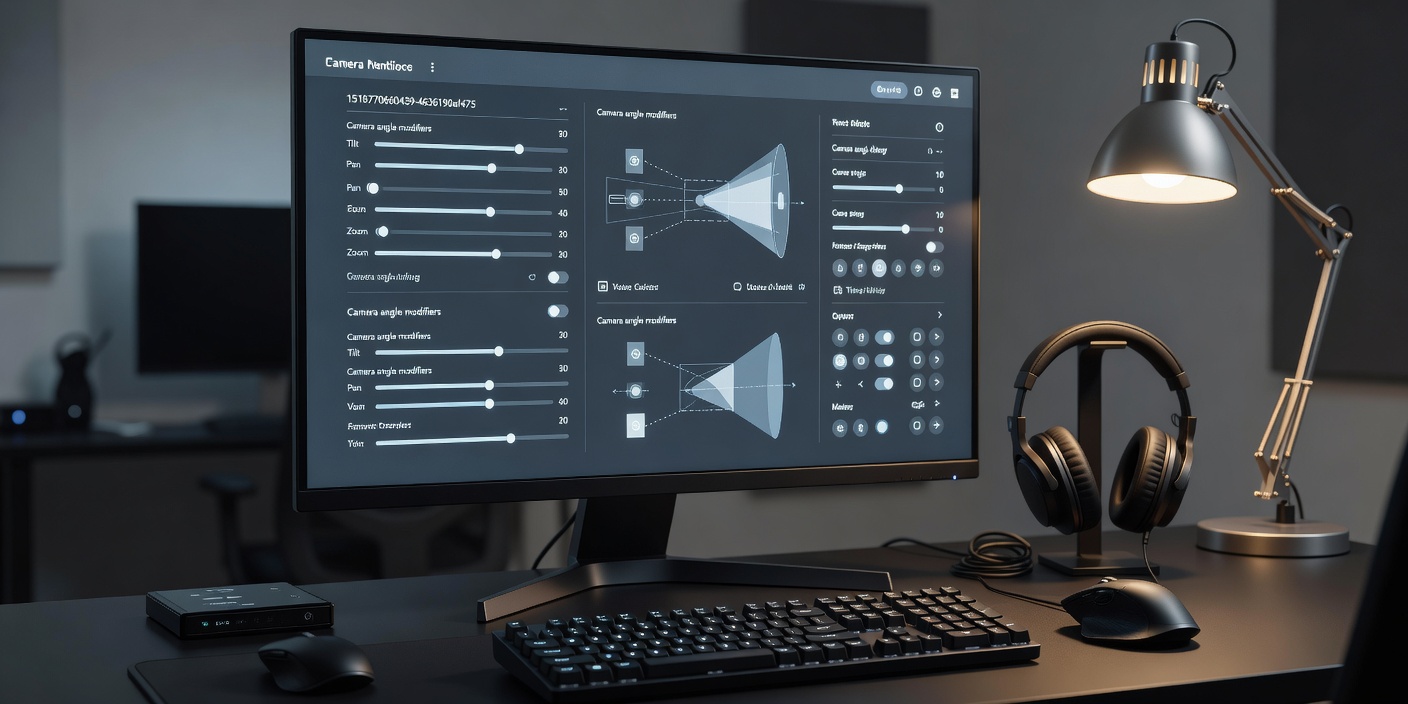
Prompting for video generators requires a fundamentally different syntax structure compared to still-image diffusion models like Midjourney or Stable Diffusion. In video synthesis, temporal coherence, camera motion parameters, and optical movement vectors must be explicitly instructed.
1. Structural Breakdown of a Video Prompt
A high-converting video prompt should follow a four-part modular structure:
2. Camera Movement Keywords That Work in 2026
To avoid unwanted morphing, instruct the generator on how the camera moves through the space:
• Low-angle slow tracking shot: Emphasizes scale and dramatic tension for characters or architecture.
• FPV Drone Whip Pan: Creates dynamic speed and environmental transitions.
• Orbit Shot / 360 Camera Arc: Keeps the subject stationary while rotating the perspective smoothly.
3. Example Master Prompt
By applying these structured principles across OpenAI Sora, Runway Gen-3, or Luma Dream Machine, creators achieve cinematic quality with zero temporal artifacts.